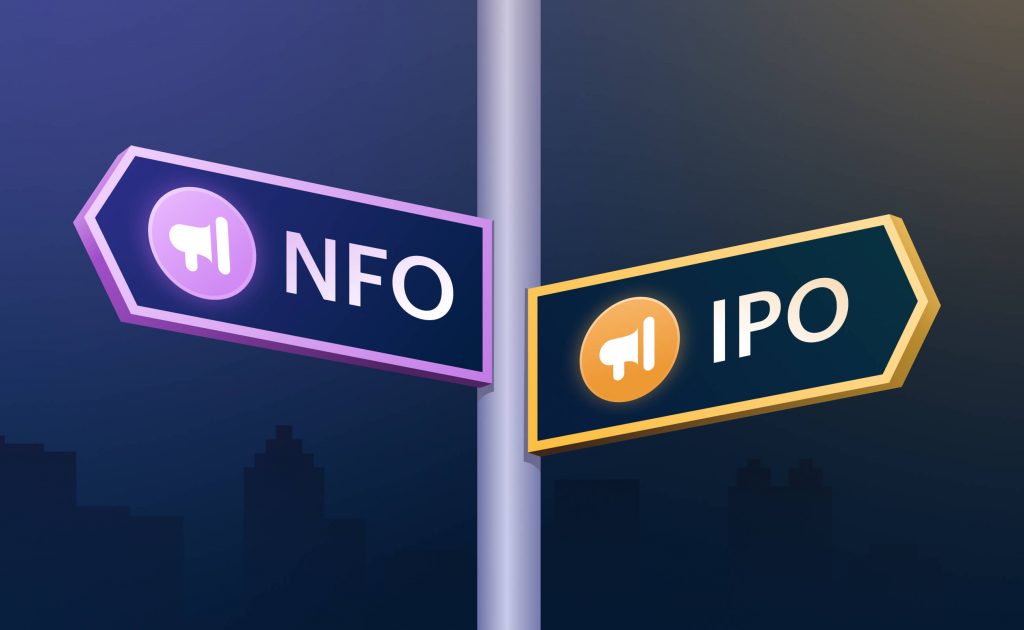
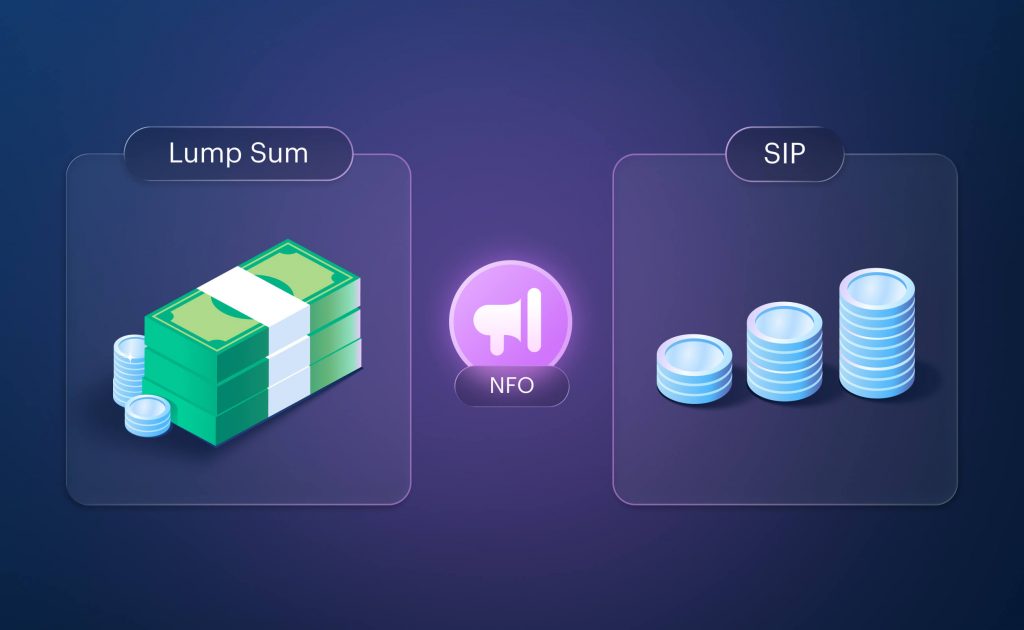
A new fund hits the market, and the marketing push starts immediately: “Limited period offer, units at ₹10, invest now.” Many investors feel pressure to write a lump sum cheque before the window closes. But you actually have a second option that most NFO pitches gloss over: you can approach the same new fund gradually, through a Systematic Investment Plan, instead of committing a lump sum on day one. That’s the real question behind NFO…

If you invest in US stocks from India, keeping track of the US stock market holidays 2026 calendar, along with the US market opening time and overall us market timings in Indian Standard Time (IST), makes it easier to plan trades, settlements, and portfolio reviews with confidence. Both the New York Stock Exchange (NYSE) and NASDAQ follow an identical holiday schedule, and in 2026 the US market observes 10 full holidays and 2 early closing…

Imagine you want to invest in a US stock priced at $500, but you only want to start with $50. You do not need to wait until you can afford one full share. With fractional investing, you can use that $50 to buy a small portion of the stock and gain exposure to it without purchasing the entire share. Fractional shares make this possible by allowing investors to buy a portion of a company’s share…

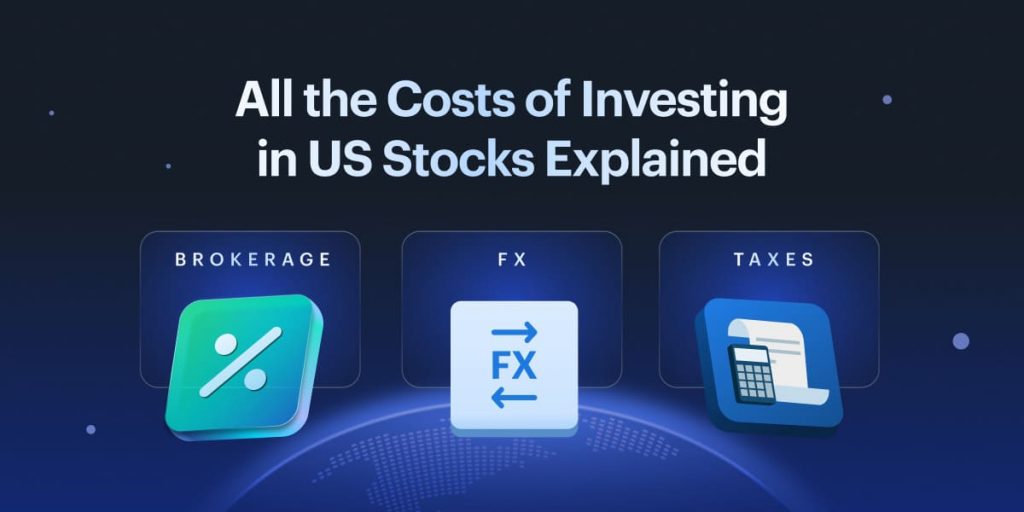
If you invest in US stocks or send money abroad from India, these remittances generally fall under the Liberalised Remittance Scheme (LRS). Under LRS, resident individuals can remit up to $250,000 per financial year for permitted purposes such as overseas investments, education, travel and medical expenses. TCS applies to certain foreign remittances under LRS once they cross the prescribed threshold.. Sometimes informally called a remittance tax, TCS is not a permanent cost. It is an…

Every time an Indian resident pays overseas university fees, invests in US stocks, funds medical treatment abroad or sends money to a relative overseas, the remittance may fall under the RBI’s Liberalised Remittance Scheme. Under LRS, resident individuals can remit up to $250,000 per financial year for permitted transactions. The scheme also determines eligible purposes, documentation requirements and applicable tax rules such as TCS. This guide explains how LRS works, the current LRS limit, eligible…

A New Fund Offer (NFO) is the first subscription offer for a new mutual fund scheme launched by an Asset Management Company (AMC). It gives investors an opportunity to invest in a scheme before it starts its regular operations. The NFO full form is New Fund Offer. If you are wondering what is NFO or what NFO means, it refers to the initial period during which investors can subscribe to units of a newly launched…

The blog posts/articles on our platform are purely the author’s personal opinion and do not necessarily represent the views of Anchorage Technologies Private Limited (ATPL) or any of its associates. The content in these posts/articles is for informational and educational purposes only and should not be construed as professional financial advice. Should you need such advice, please consult a professional financial or tax advisor. The content on our platform may include opinions, analysis, or commentary, which are subject to change, without notice, based on market conditions or other factors. Further, the use of any third-party websites or services linked on the website is at the user's discretion and risk. ATPL is not responsible for the content, accuracy, or security of external sites. Investments in the securities market are subject to market risks. Read all the related documents carefully before investing. Registration granted by SEBI, membership of BASL (in case of IAs) and certification from NISM in no way guarantee performance of the intermediary or provide any assurance of returns to investors. The examples and/or securities quoted (if any) are for illustration only and are not recommendatory. Any reliance you place on such information is strictly at your own risk. In no event will ATPL be liable for any loss or damage including without limitation, indirect or consequential loss or damage, or any loss or damage whatsoever arising from loss of data or profits arising out of, or in connection with, the use of this website.

By accessing this platform and its blog section, you acknowledge and agree to the Terms and Conditions of this website, Privacy Policy and Disclaimer.